I first recognised lemon curd in a London supermarket, inside an ordinary glass jar.
I knew the flavour immediately. I just did not know that it had a name.
For me, it had always been the yellow part in the middle of my mother's lemon pie.
America in our kitchen
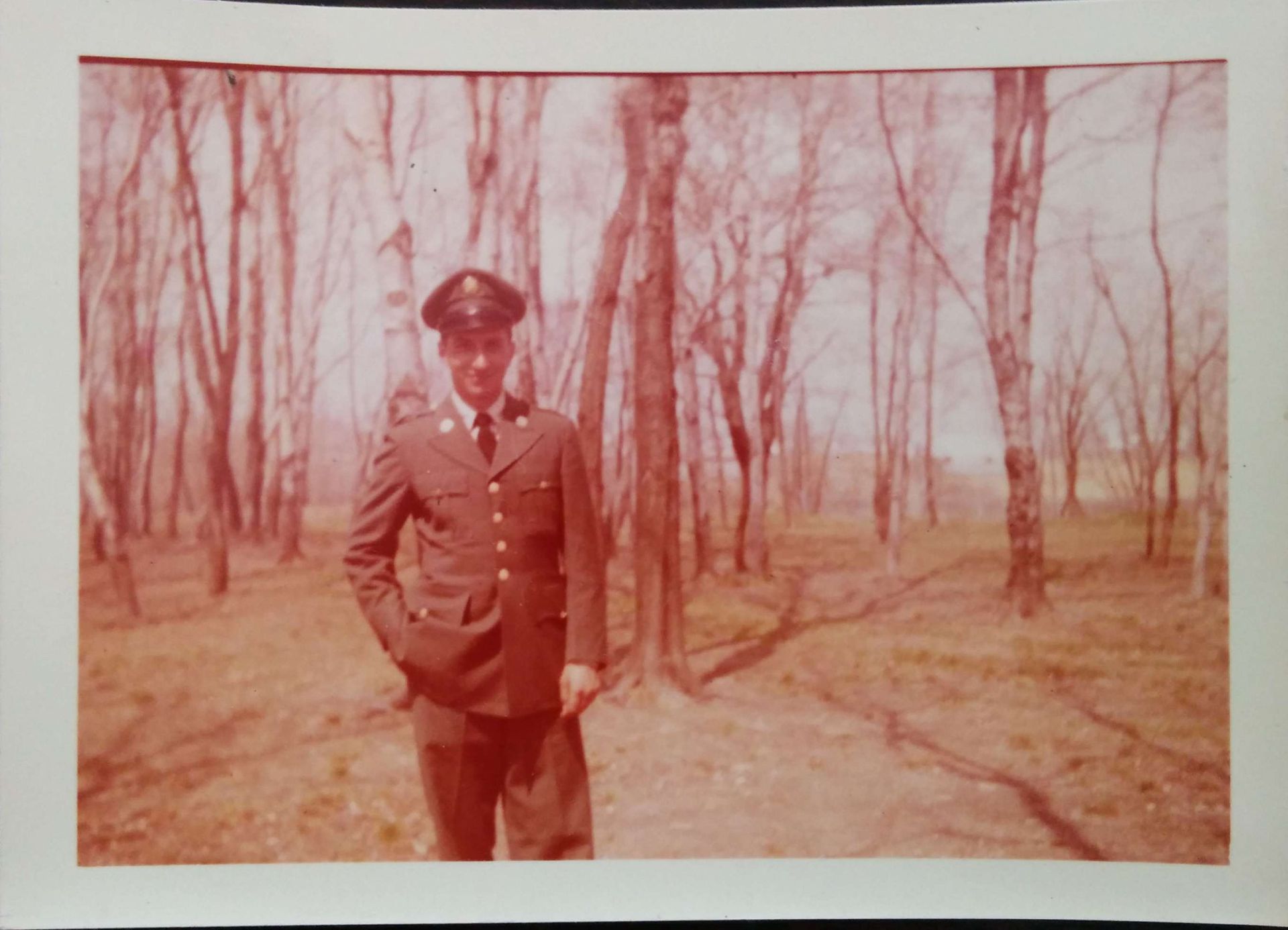
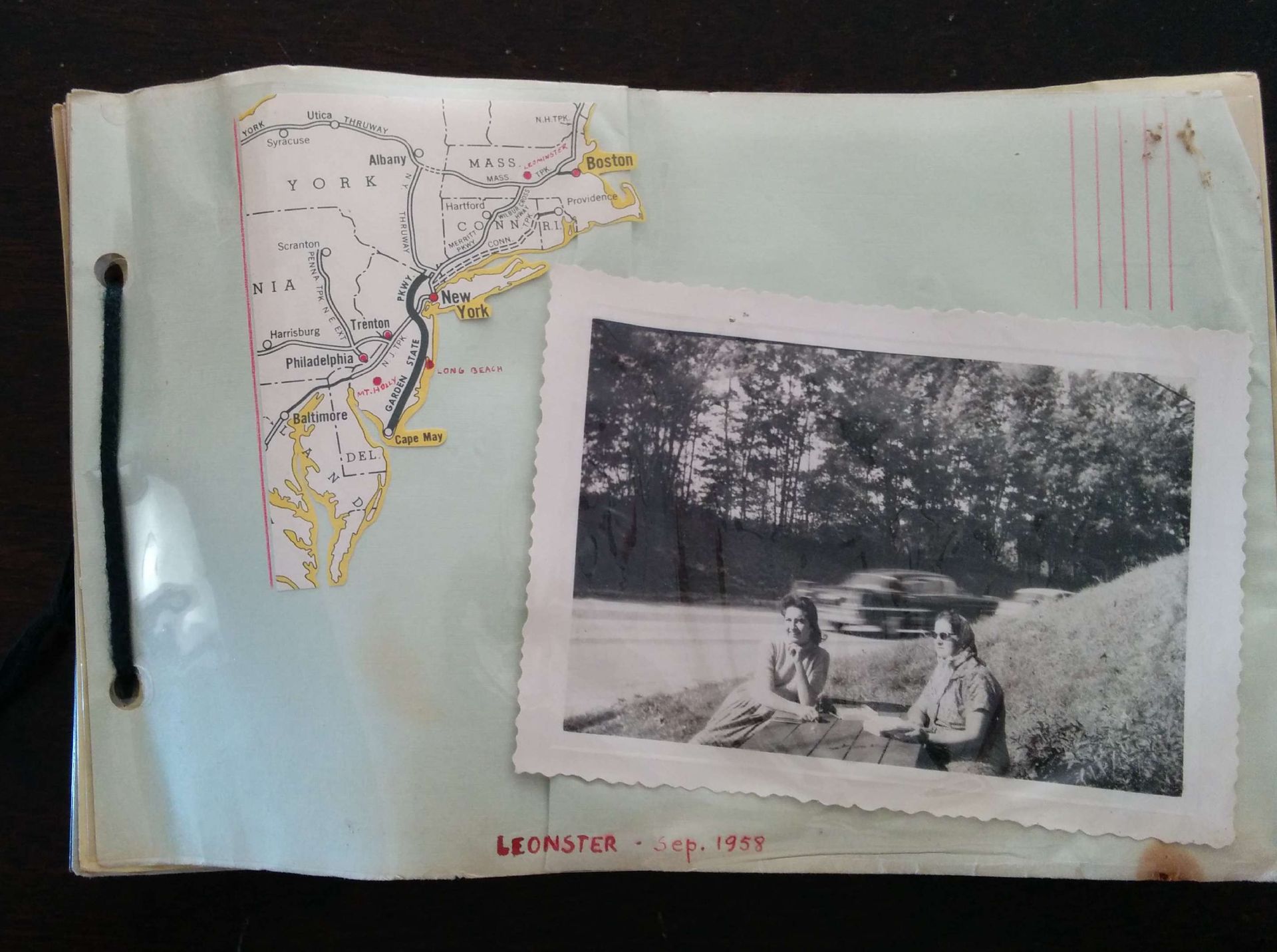
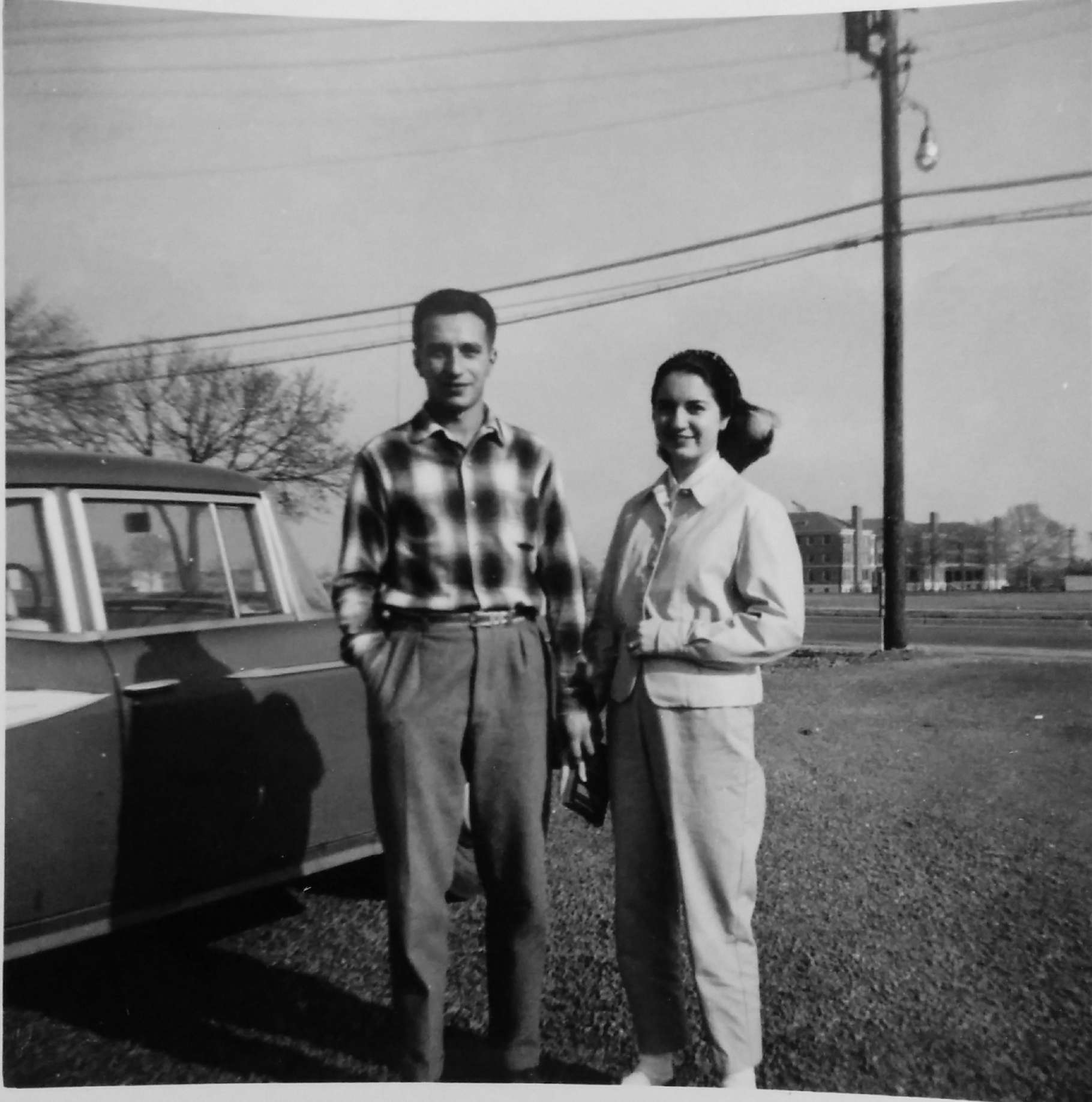
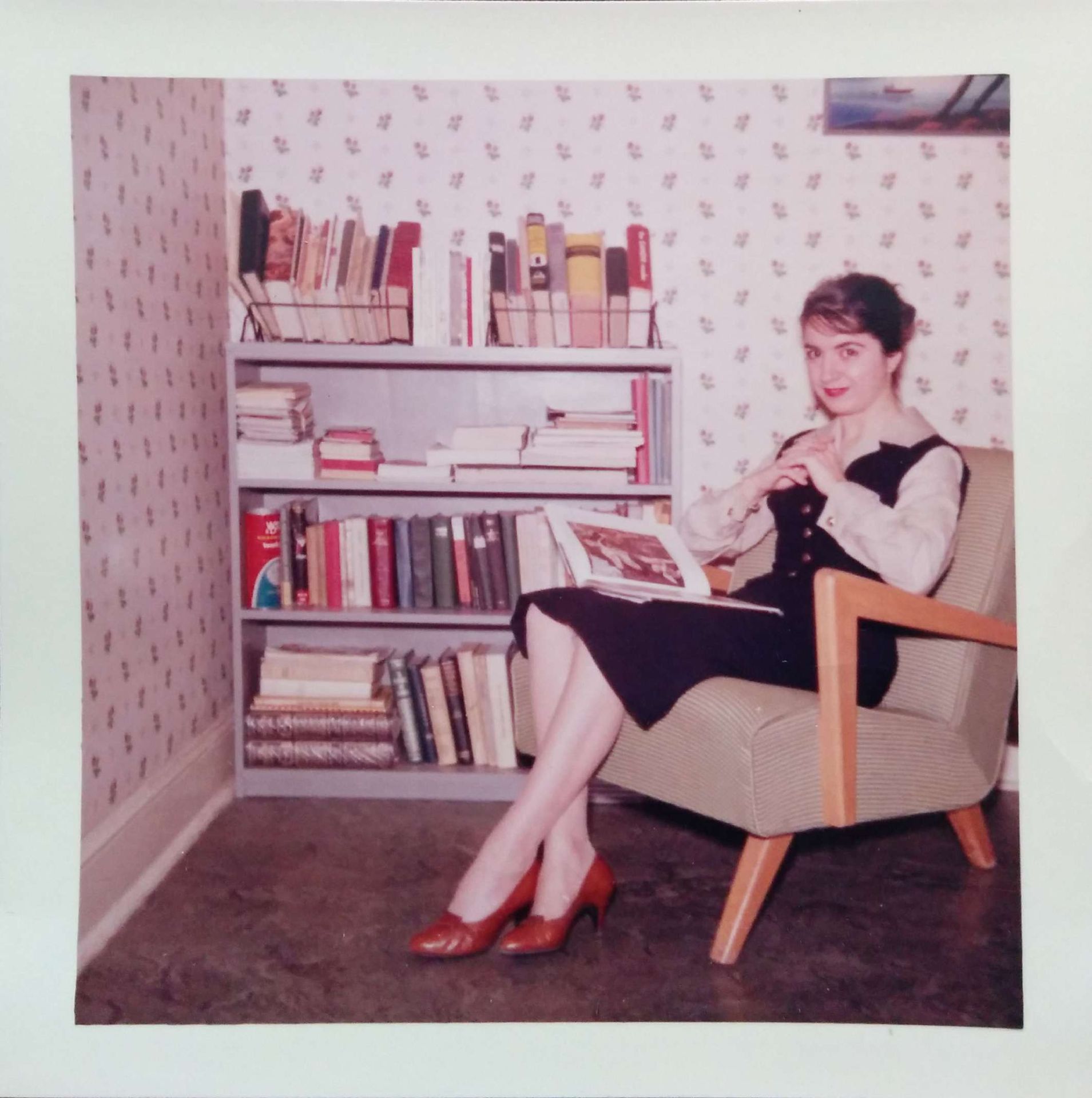
My parents lived in the United States for around five years before my older brother was born. They spent a long time in New York, moved through other states and travelled enormous distances by car. That is why our family had so many photographs and slides of America: roads, cities and places I knew long before I ever visited them.
This was around the 1950s. The Korean War had ended, but military conscription in the United States had not. My father had already completed two years of compulsory military service in Argentina, but after moving to America he was called up again. He did not report when he was supposed to. Then, according to the story we always heard in the family, the FBI turned up looking for him.
My father was a pacifist. At that time, he and my mother were interested in Krishnamurti and ideas that did not fit very comfortably with going to war. Fortunately, he had studied at Otto Krause, an excellent technical school in Buenos Aires, and knew chemistry. Instead of sending him into combat, the Army assigned him to a medical laboratory.
He learnt an enormous amount there. Later, having served in the US Army opened doors for him when he looked for work. It became an important part of his life, even though it had begun as something he did not want at all.
When my parents decided to have children, they returned to Argentina as repatriates. They sent their belongings home in a container. I grew up in Adrogué surrounded by objects from another country: appliances, photographs, stories and foods that most Argentine children around me did not know.
America was not an abstract place in our house. It was in the kitchen cupboards.
The red plaid book
One of the things they brought back was the Better Homes and Gardens New Cook Book.
It had a red checked cover, like an American tablecloth, and it was not bound like a normal book. The pages sat inside metal rings and could be moved around. There were dividers between the sections, loose recipes and empty spaces where my mother wrote her own notes.
The book had been designed for exactly that. The first edition appeared in 1930, with ring binding so that it could lie flat on the worktop, tabbed sections and room for cooks to add recipes of their own. It was a cookbook, but also a working file that changed with the person using it. Better Homes & Gardens still describes it as one of the ideas that made the book different.
I remember my mother in the kitchen with that book open and her handwriting all over it. I would stand beside her trying to decipher the English. I did not speak English then. She would read a line to me in English and translate it into Spanish, and together we would work out what to do next.
That may have been one of my first encounters with English. Not at school. In a recipe.
My mother made things from that book that were almost unknown in Argentina at the time. Divinity. Marshmallows. American pies. They felt strange and slightly magical, as if the family slides had somehow become edible.
The one we loved most was lemon meringue pie.
Making the pastry
The pie had three parts: a simple short pastry base, a sharp yellow lemon filling and meringue on top.
We used an old Kenwood mixer that my parents had brought back from America. There was also a hand tool that fascinated me even more. It was a pastry blender, with several curved metal blades running side by side. You pushed it into the flour and cold butter until the butter was left in little pieces the size of peas.
That detail mattered. The butter was not supposed to disappear completely into the flour. Those small pieces were what gave the pastry its texture.
I loved watching the blades pass through the butter. It looked like a tiny agricultural machine built for a bowl. Even now, when I make pastry and see those little pieces forming, I am back in that kitchen.
The lemon filling was smooth, bright and acidic enough to balance the sweetness of the meringue. We did not call it lemon curd. It was simply the filling for the pie. Strictly speaking, the classic American lemon-pie filling and British lemon curd are not always identical. Pie filling may be thickened differently, while lemon curd is usually built around lemon, eggs, sugar and butter. But they belong to the same family. When I tasted lemon curd in London, the connection was immediate.
I had not discovered a new English food. I had found something I had been eating with my mother since childhood.
The Adrogué lemon-pie business
By the time I was fourteen, I had made that lemon pie so many times that I decided I could sell it.
My mother made me little cards that said LEMON PIE and had a smiling chef's face on them. I wish I knew where one of those cards was now. I would frame it.
A friend and I went around Adrogué in a Citroën, ringing people's doorbells and appearing with lemon pies. It was not a sophisticated sales strategy. Two teenagers arrived unexpectedly at your house with a homemade pie and asked if you wanted to buy it.
Some people looked frightened. Quite reasonably, perhaps. Door-to-door lemon pie was not a business model anyone had encountered before. We did not have enormous success, but a few people bought them, and my friends loved them.
We loved them too much. We were perfectly capable of eating half a lemon pie each.
I suppose this was one of my first food businesses, although I did not think of it that way. I was repeating something I had learnt beside my mother, then trying to take it out into the world. Many years before Chef Rulo, there was a Citroën, a pile of little cards and two boys trying to persuade the neighbours to trust their pie.
The food we inherit
The hours I spent cooking with my mother were among the happiest of my life.
I do not say that lightly. Even thinking about her in that kitchen, with the red plaid book open and the Kenwood running, can make me cry. There was love in those afternoons, but not the sentimental kind people invent afterwards. It was practical love. She stood beside me. She explained the English. She showed me what the butter should look like. She let me do things myself.
That is one reason I cook with my own children now.
Of course, it is messier and slower when children help. Flour goes everywhere. A simple recipe takes twice as long. But I am not only trying to teach them how to cook. I am trying to recreate that feeling of being beside somebody who loves you, doing something together and taking it seriously.
Food travels in strange ways. A British preserve became part of an American pie. An American cookbook crossed the sea in my parents' container and landed in a kitchen in Adrogué. I learnt the recipe in Spanish while my mother read it to me in English. Then, decades later, I came to Britain and found the same flavour waiting in a supermarket jar.
Now I make those memories with my children in London.
Perhaps one day they will find an ordinary flavour somewhere far from home and, without expecting it, be standing beside me in the kitchen again.